
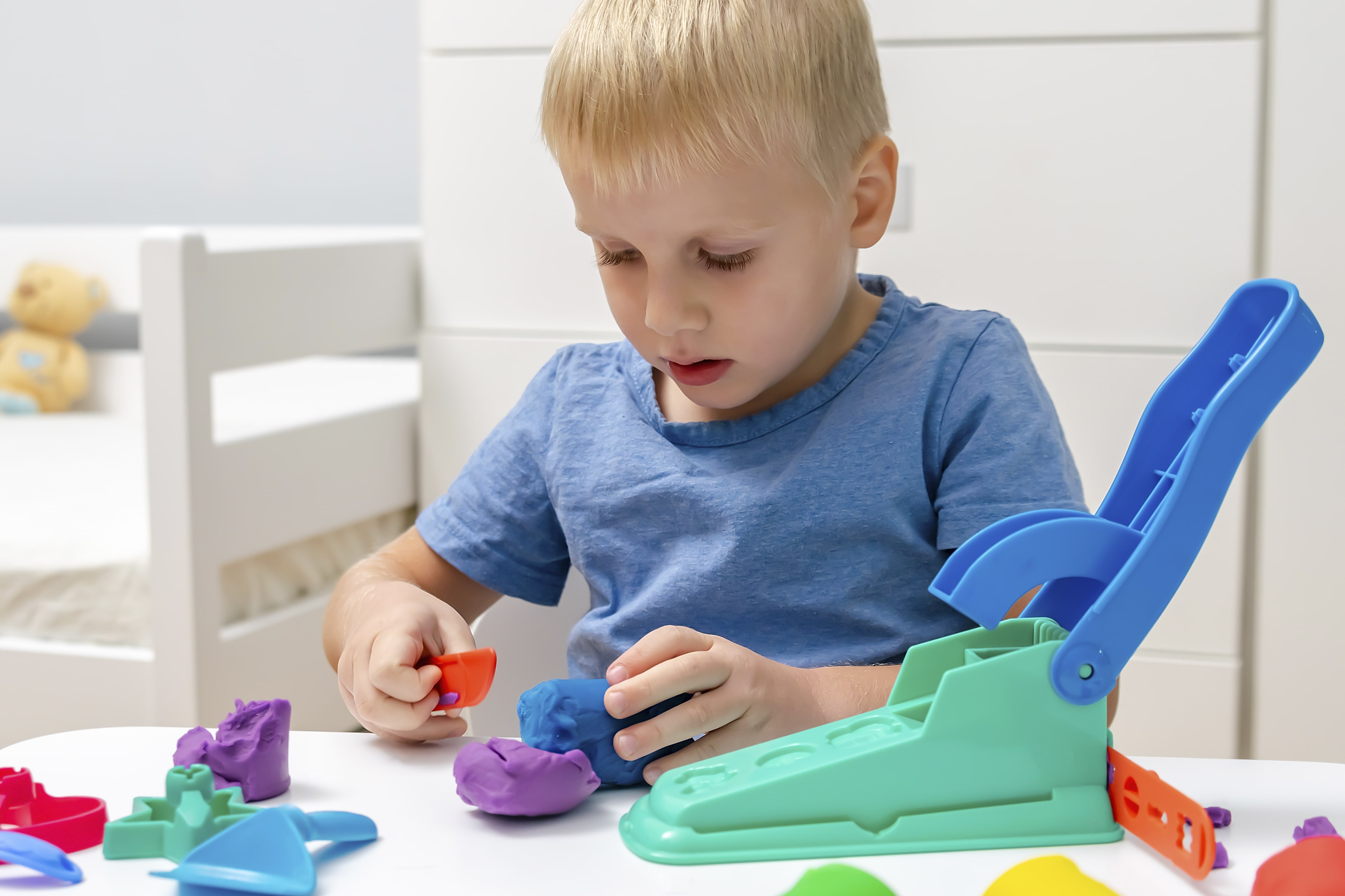
Occupational therapists play a vital role in supporting a child’s development across various domains. They help enhance both fine and gross motor skills through engaging activities that improve hand-eye coordination, balance, and strength. Additionally, they guide children in mastering self-care tasks such as dressing, grooming, and eating, fostering a sense of independence. Play is an essential part of learning, and occupational therapists promote play skills, which encourage creativity and problem-solving abilities. They may recommend tools or modifications to the environment to make activities more accessible for children.
Handwriting is a multifaceted skill that encompasses various cognitive, motor, and sensory processes. It requires fine motor skills to execute precise movements of the fingers, hands, and arms, which are essential for control and fluidity in writing.
Additionally, handwriting involves significant cognitive engagement, as children must plan and organise their thoughts, translating them into written language while considering spelling, grammar, and punctuation. This cognitive load adds to the complexity of the task.
Another critical aspect is visual-motor integration, where children coordinate their visual perception with their motor actions. They need to see the letters and words they are forming and adjust their movements accordingly to achieve accurate writing.

Proper posture and grip are also important for effective handwriting. Children must learn to maintain the right sitting posture and hold their writing instrument in a way that facilitates smooth movement.
Learning to form letters, both uppercase and lowercase, along with understanding the space between letters and words, requires practice and memorisation. As proficiency develops, children also work on maintaining consistency in letter size and shape, as well as writing speed for various tasks.
Lastly, emotional factors such as motivation, self-esteem, and anxiety can influence handwriting skills. Frustration with the writing process can impact a child’s progress and enjoyment.
Overall, handwriting is not merely a mechanical skill; it is a complex process that evolves over time with practice and support.
Some children switch to touch typing or speech to text software. We can support in this area too and make suitable recommendations and interventions.
For people with sensory processing difficulties, everyday experiences that most people find manageable can become overwhelming or confusing. We can help by carrying out a full sensory profile assessment and offer interventions and strategies that help them manage sensory input more effectively. These interventions may include sensory integration therapy, environmental modifications, emotional regulation skills, coping strategies working holistically with the individual and their environments including home and educational.


Occupational therapists play a vital role in supporting children as they develop essential organisational skills necessary for academic success and daily life. The process begins with a thorough assessment of each child’s current organisational abilities, allowing therapists to identify specific strengths and challenges. Based on this assessment, we create personalised intervention plans tailored to the child’s unique needs.
One effective strategy is the use of visual supports, such as charts, checklists, and schedules, which help children better understand and manage their tasks. By incorporating these tools, therapists can make abstract concepts more concrete and manageable. Additionally, they assist children in establishing daily routines that promote organisation, ensuring that responsibilities like homework and chores are addressed consistently.
Occupational therapists also teach children how to break larger tasks into smaller, more manageable steps, making it easier to approach assignments without feeling overwhelmed. Time management strategies, such as using timers or clocks, are introduced to help children allocate specific time blocks for tasks, fostering a greater sense of time awareness.
Furthermore, therapists guide children in organising their physical spaces, whether it involves decluttering a backpack, desk, or bedroom, emphasising the importance of keeping things orderly. Goal setting is another crucial aspect of our approach; therapists work collaboratively with children to establish realistic and achievable goals related to their organisational skills, which fosters motivation and a sense of accomplishment as they make progress.
Family involvement is key in this process, as therapists provide guidance and resources to help reinforce organisational strategies at home, ensuring consistency and support. Through regular practice and reinforcement of these skills in various settings, occupational therapists empower children to build habits that promote independence and confidence in their organisational abilities.

With over 15 years of experience, Meghan specialises in providing tailored assessments and interventions for children and young people with complex needs. Her expertise encompasses lycra splinting, upper limb therapy, mobility and seating evaluations for both indoor and outdoor settings, and the development of comprehensive 24-hour postural care programmes, including sleep systems. Additionally, she offers guidance on environmental controls, conducts wheelchair-accessible vehicle demonstrations, advises on minor and major housing adaptations, performs moving and handling assessments, advises on school equipment, and designs sensory rooms. Through these comprehensive services, Meghan is dedicated to helping clients thrive and improve their overall quality of life.